Watering Guidelines
Most indoor plants prefer to dry out slightly between waterings. Check the top inch of soil with your finger. If it feels dry, it's time to water. Overwatering is the most common cause of plant death. Water thoroughly until it drains from the bottom, then empty the saucer. Different plants have different needs - succulents need less water, while ferns prefer consistently moist soil.
Light Requirements
Bright, indirect light is ideal for most houseplants. Place plants near east or north-facing windows. Avoid direct sunlight which can scorch leaves. Low-light plants like snake plants and ZZ plants can thrive in darker corners. Rotate your plants weekly to ensure even growth. If leaves are pale or leggy, your plant may need more light.
Potting & Repotting
Repot when roots fill the container or grow through drainage holes. Use well-draining potting mix and choose pots with drainage holes. Spring is the best time to repot. Select a pot only 1-2 inches larger than the current one. Gently loosen roots before placing in new pot. Water thoroughly after repotting and avoid fertilizing for a few weeks.
Humidity & Temperature
Most houseplants prefer temperatures between 65-75°F (18-24°C). Avoid placing plants near heating vents or air conditioners. Many tropical plants benefit from increased humidity. Group plants together, use a pebble tray with water, or mist leaves regularly. Bathrooms and kitchens naturally have higher humidity levels.
Fertilizing
Feed your plants during the growing season (spring and summer) with a balanced liquid fertilizer diluted to half strength. Most plants need fertilizing every 2-4 weeks. Reduce or stop fertilizing in fall and winter when growth slows. Always water before fertilizing to prevent root burn. Over-fertilizing can damage roots and cause leaf burn.
Pest Prevention
Regularly inspect leaves for signs of pests like spider mites, mealybugs, or aphids. Keep leaves clean by wiping with a damp cloth. Isolate new plants for a few weeks before placing with others. If pests appear, treat immediately with insecticidal soap or neem oil. Good air circulation helps prevent pest problems.
Pruning & Maintenance
Remove dead or yellowing leaves regularly to keep plants healthy and attractive. Prune leggy growth to encourage bushier plants. Use clean, sharp scissors or pruning shears. Cut just above a leaf node. Regular pruning helps maintain plant shape and encourages new growth. Some plants benefit from pinching back new growth.
Plant Placement
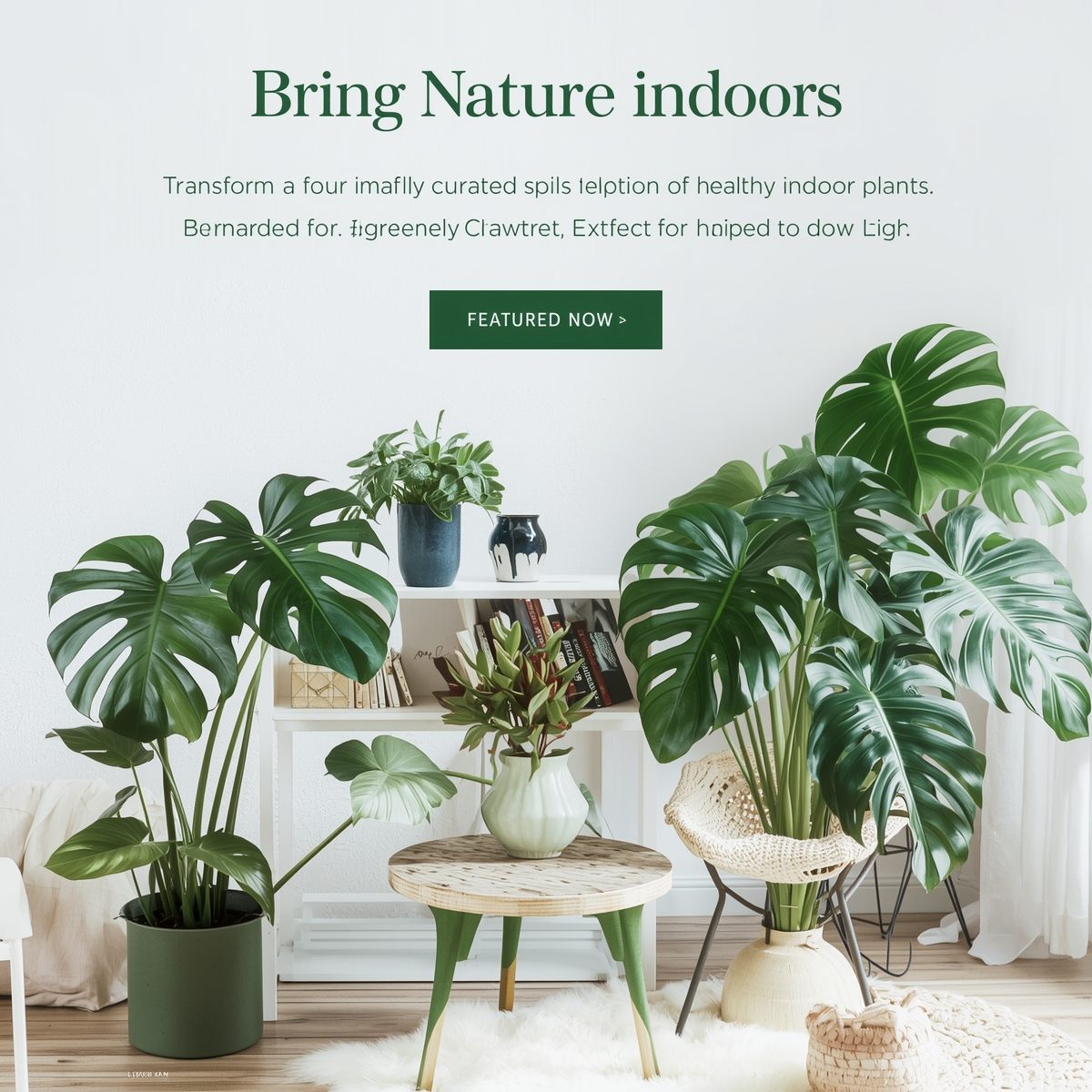
Consider each plant's specific needs when choosing placement. Group plants with similar care requirements together. Create visual interest by varying plant heights and textures. Use plant stands or shelves to maximize space. Ensure plants aren't blocking air vents or walkways. Remember that light conditions change with seasons.